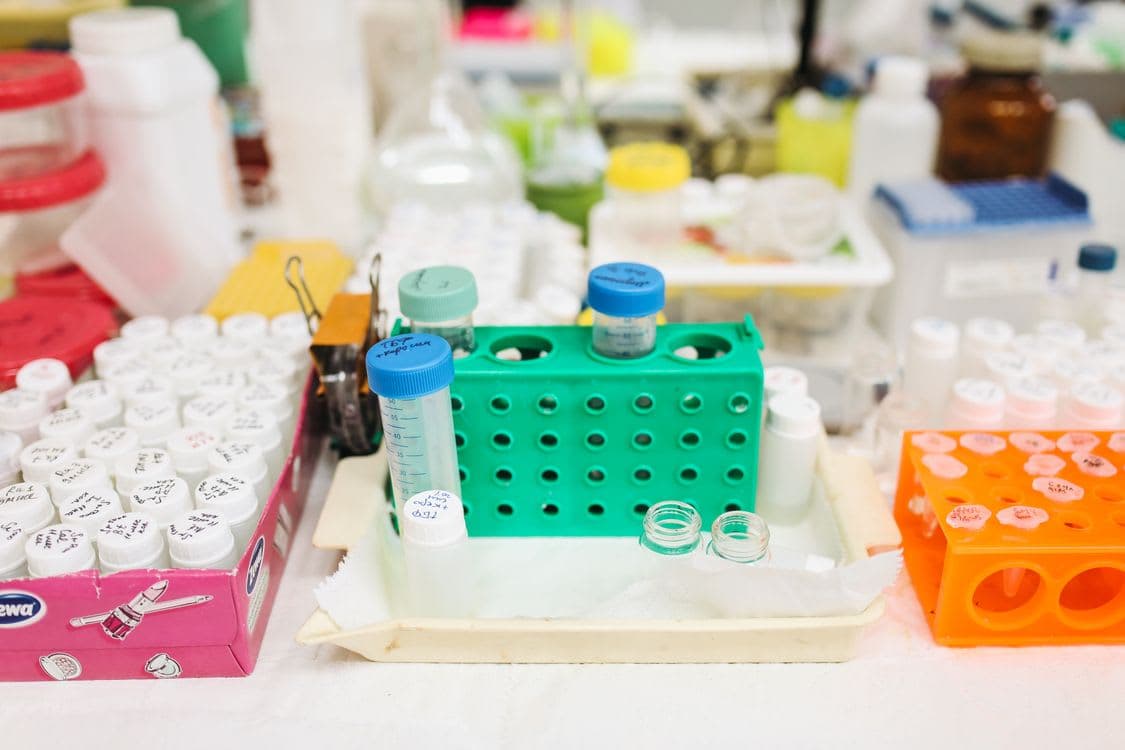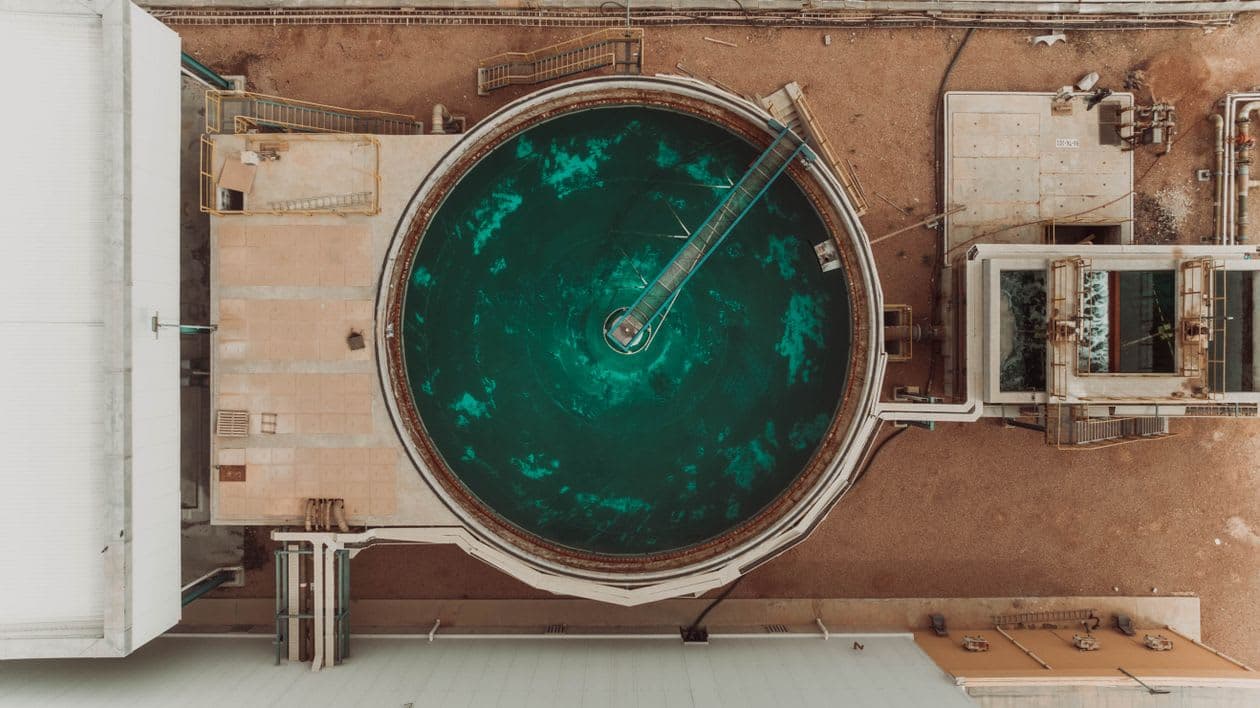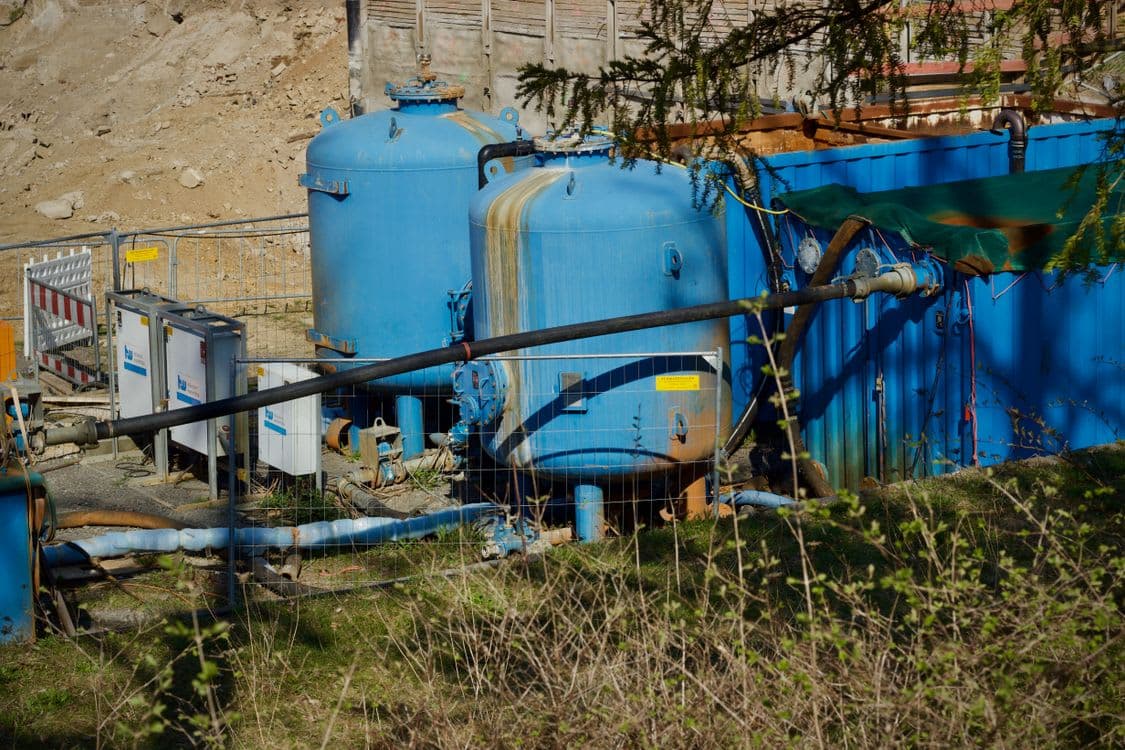
In this illustrative mine-office scenario, an operator sees the dosing pump running and the chemical container gradually emptying. Yet the team cannot say what residual reaches the final outlet. The useful next step is a verification plan that connects the equipment to the water actually supplied.
Separate equipment operation from process performance
Our recommendation is to record three different things: the operating condition of the dosing equipment, the water flow being treated, and the measured outcome at agreed sampling points. Ask the system designer how these should be checked and what results require intervention.
WHO’s chlorination guidance explains that turbidity can consume chlorine or shield microorganisms, and that disinfection depends on factors including residual, contact time and pH. This is why an arbitrary pump percentage is an incomplete treatment specification. [1]

Prepare a useful inspection brief
- Identify the chemical product and its stated strength, batch and storage history.
- Record the dosing-pump model, rated capacity and installation details.
- Request measured pipeline pressure and operating flow.
- Ask for verification of chemical delivery at the injection point.
- Identify the contact arrangement and agreed sample locations.
These are recommended inspection questions rather than a diagnosis. Ask the technician to compare measured conditions with the equipment instructions and the treatment design before changing settings or specifying a replacement pump.
Make measurements comparable
Use a log that records the date, sampling point, operating flow, treatment settings, measured residual, pH where required, and action taken. Request instructions for the particular test method, including instrument checks and reagent handling. Agree who reviews the log and who responds when results fall outside the site’s operating limits.
DWS describes drinking-water compliance through operational, microbiological, chemical and physical monitoring categories. A residual measurement can contribute to operational control, but should not be presented as proof that every drinking-water requirement is met. [2]
Ask what happens when conditions change
Discuss no-flow conditions, low chemical level, equipment faults, changes in demand, and power interruption with the designer. Our recommendation is to request a written response for each relevant condition and have the agreed controls demonstrated during commissioning.
Avoid a generic dosing recipe. Ask for a site-specific operating plan, verification criteria, training and maintenance scope. Keep chemical handling within the product’s safety instructions and the site’s procedures.
Water Nest next step: request a dosing-system performance assessment. Send the pump model, chemical information, known flow and pressure, and recent test records. Include automation and maintenance requirements in the scope.
References and further reading
- [1] WHO: Principles and Practices of Drinking-Water Chlorination
- [2] DWS: Drinking Water Quality Compliance
Cover photograph: Peter Dyllong / Pexels. Illustrative stock image, not a Water Nest project. Image licence.