Picture this: a family outside Kathu has installed a borehole. The garden is green again, the tank fills reliably, and the water in a glass looks clear. The next question is whether that same supply should feed the kitchen tap. This is an illustrative scenario, not a Water Nest client case.
Start with evidence. A treatment system should be selected for the substances or organisms actually present, rather than appearance or a universal “purity” promise. Different technologies address different problems. [cdc]
Ask for a sampling plan before buying equipment
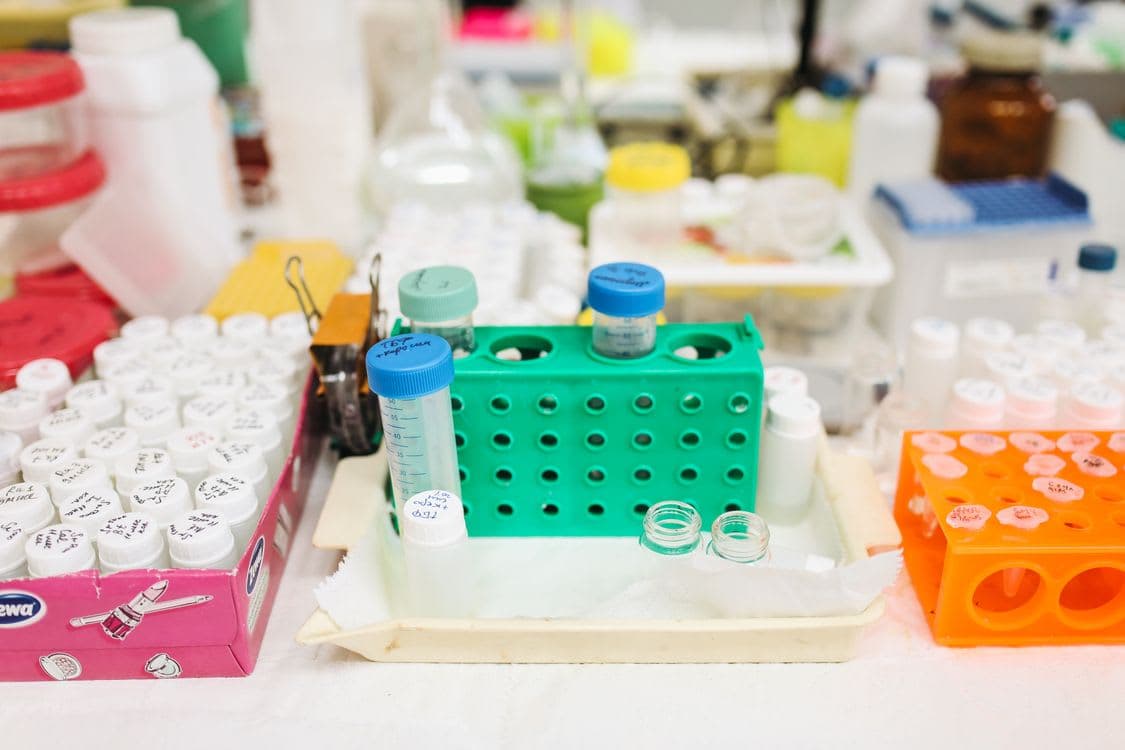
Our recommended first step is to tell the laboratory where the water comes from and how it will be used: drinking, cooking, irrigation, or process equipment. Request suitable sample bottles and instructions before collecting anything. Ask the laboratory to explain what its proposed panel covers and what it leaves out.
South Africa’s DWS drinking-water dashboard distinguishes microbiological, chemical, physical and operational results against SANS 241 determinants. A useful report needs context across these areas; a single handheld-meter reading is not a substitute for that assessment. [dws]
Turn results into a treatment brief
Ask the supplier to write down the problem, the proposed treatment, the required flow, and how success will be verified. A household kitchen tap and a guesthouse serving several rooms need different design briefs, even when they draw from the same borehole.
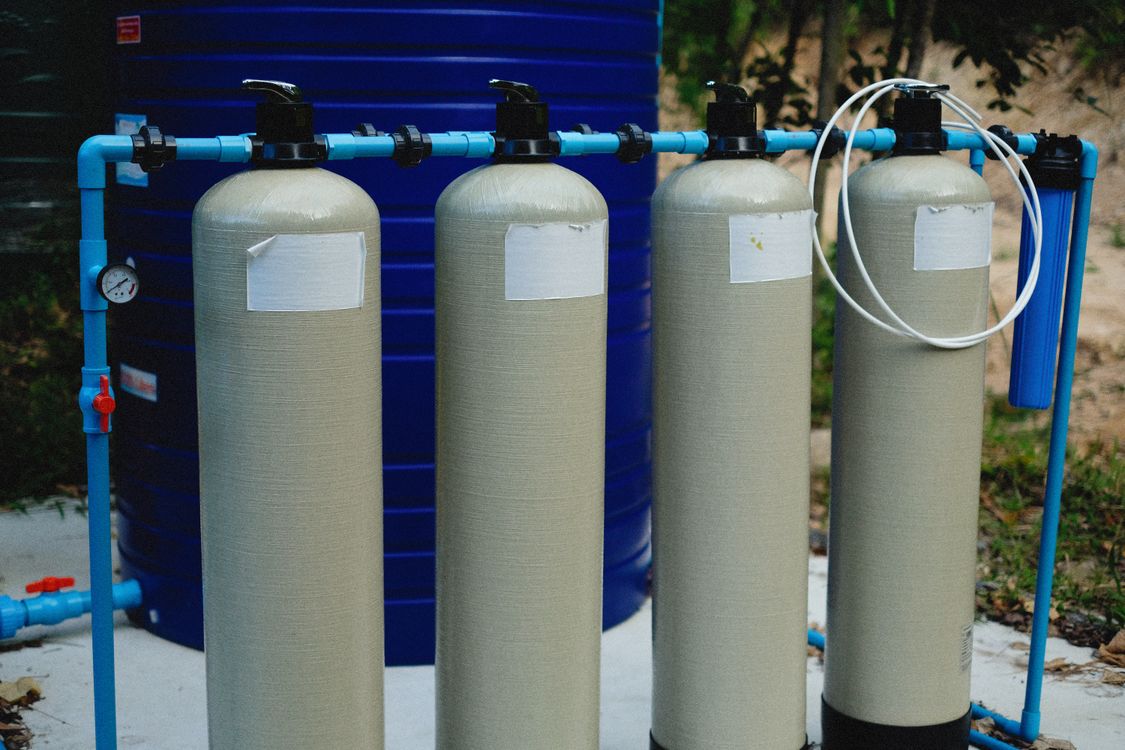
UV is a disinfection technology, while reverse osmosis can reduce selected dissolved contaminants. A softener targets hardness minerals. Product-specific performance claims and pretreatment requirements matter; no single method covers every water-quality issue. [cdc]
A useful quotation should answer five questions
- Which test results justify each treatment stage?
- What flow and pressure will the installed system deliver?
- What consumables, electricity and servicing does it require?
- Where will any reject water or regeneration waste go?
- What sampling and acceptance checks are included after commissioning?
Plan for the whole journey to the tap
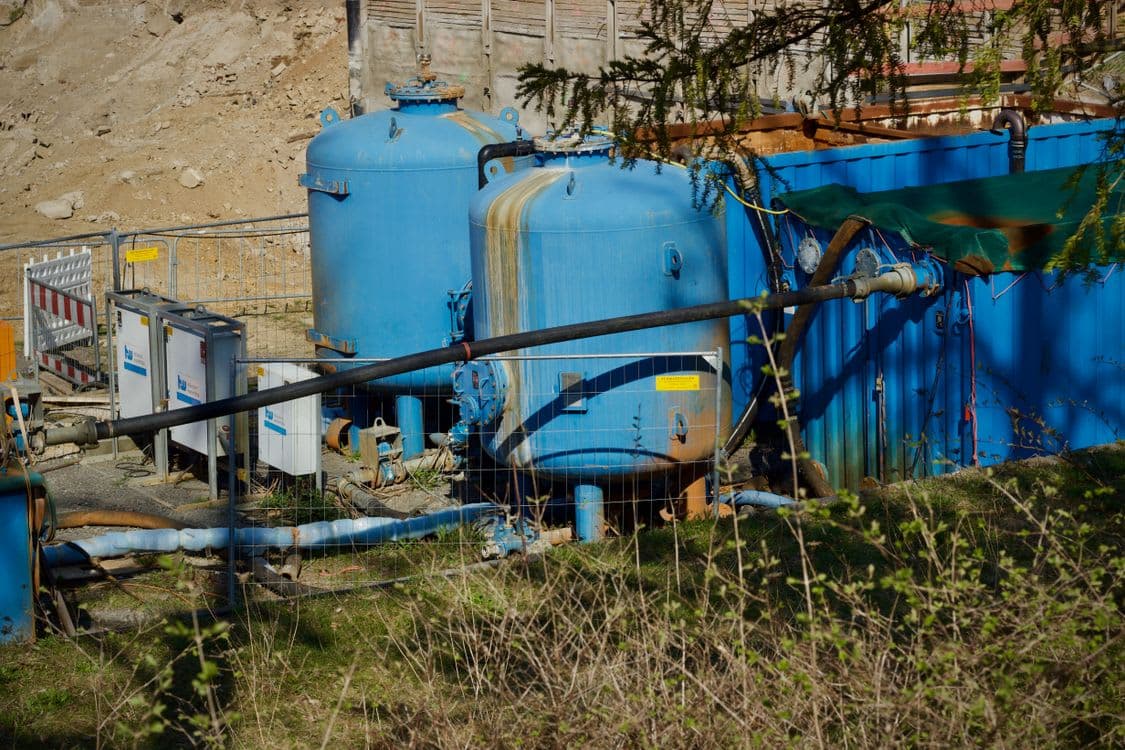
For your assessment, include the borehole, storage tank, pump, pipework and final drinking point. Send recent laboratory results, photographs of existing equipment, and a short description of daily demand. That creates a clearer starting point than asking for “the biggest filter”.
Water Nest next step: request a water-quality and treatment assessment, then compare the proposed scope with our installation and maintenance services. Ask for the treatment recommendation and verification plan together.
References and further reading
Cover photograph: Polina Tankilevitch / Pexels. Illustrative stock image, not a Water Nest project. Image licence.